Work About Services Thinking Shop Start a project →
Human-Centered AI Experience Design Studio

We design for

empathy. trust. transformation. impact.

We help organizations design better experiences for the people they serve. Whether that's a website, an AI product, a service, or an entire business, we make sure it feels intuitive, useful, and human.

Michael Edward

MIT-certified AI designer. Product Designer at Microsoft. Author of Feel First. Twenty years at the intersection of empathy, systems, and product design.

About Me →
Press & Book

In the media, and in print

In the Media

Leading Through Design Thinking & Creativity

A conversation on Tech Leader Spotlight about empathy-driven design, building trust into AI products, and what leadership looks like as systems get more automated.

Book Me as a Guest →
Now Available at Barnes & Noble

Feel First

A Design Philosophy for the Age of AI. The intellectual foundation for the Feel First Framework™, written for designers, technologists, and leaders navigating the intersection of human experience and artificial intelligence.

Get the Book →
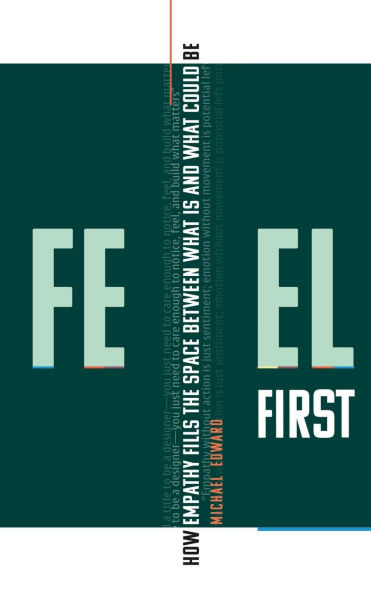
Feel First by Michael Edward
Testimonials

What people say

"

His leadership in shaping new templates significantly accelerated delivery across the entire publishing workflow. He brought both design clarity and technical understanding to every decision.

Su S.
Engineering Manager
Microsoft
"

A strong collaborator who consistently advocates for design principles and accessibility someone who makes every team he joins more thoughtful and more aligned.

Max K.
Senior Product Designer
Microsoft
"

A thoughtful design partner who always strengthens team alignment turning ambiguity into shared clarity without losing the human nuance that makes design matter.

Karli S.
Content Designer
Microsoft
About Michael Edward

Twenty years
of asking one
question.

How should this make people feel?

That question has guided every project I've taken on, from designing enterprise AI at Microsoft to building the Feel First Framework: a design methodology that anchors AI product decisions in emotional context before technical capability, so the experience is built to be trusted from the first interaction, not retrofitted for trust after launch. I hold an MIT certificate in designing AI products and services and dual master's degrees from SCAD, and I've spent two decades at the intersection of human behavior, systems thinking, and product design.

I don't believe technology is inherently good or bad. I believe it becomes what we design it to be. My job is to make sure that something human survives the translation into code.

Michael Edward
The ENSŌ Philosophy
Intelligence should amplify humanity,
not replace it.

These four principles form our human-centered AI methodology, applied across every engagement from the first strategy session to final delivery.

01
Feel First
Anchor every decision in human emotion and lived experience before reaching for a solution. Feeling precedes thinking.
02
Think in Systems
Design the conditions not just the artifacts. Every touchpoint is part of a larger ecosystem. See the whole.
03
Lead with Clarity
Complexity is not the goal. Translate ambiguity into decisions that people can understand, trust, and act on.
04
Build Trust
Trustworthy AI is designed, not assumed. We define it through three elements: transparency in how AI makes decisions, consistency between what AI promises and what it delivers, and empathy for the emotional context of every person it serves.

Empathy isn't a phase of the design process. It's the environment the design process happens inside.

Michael Edward  ·  Founder, ENSŌ DSGN

How we can
work together

Two decades of product design, systems thinking, and brand strategy, brought to bear exactly where you need it. Engagements are structured around what the work actually requires, not a standard retainer.

01
Product Design
End-to-end design for complex digital products. I work alongside your team from discovery through delivery, defining the right problem before designing the solution, and shipping work built to hold up at enterprise scale.
MA Studio System →
02
AI Experience Design
Design for AI-powered products that people actually trust. The Feel First Framework puts emotion and context at the center of AI interaction, so the experience earns adoption instead of demanding it.
Feel First Framework →
03
Brand & Design Systems
Brand strategy and design systems for teams ready to scale with clarity. I build the identity frameworks, component libraries, and token systems that keep teams aligned as they grow.
Human Signal →
04
Workshops & Speaking
Workshops and talks designed to shift how teams think about design, AI, and systems. Your audience leaves with a reframed perspective and tools they can apply immediately.
The ENSŌ Shop →
A place to think

Kangaeru Basho

Featured · Medium · 2026

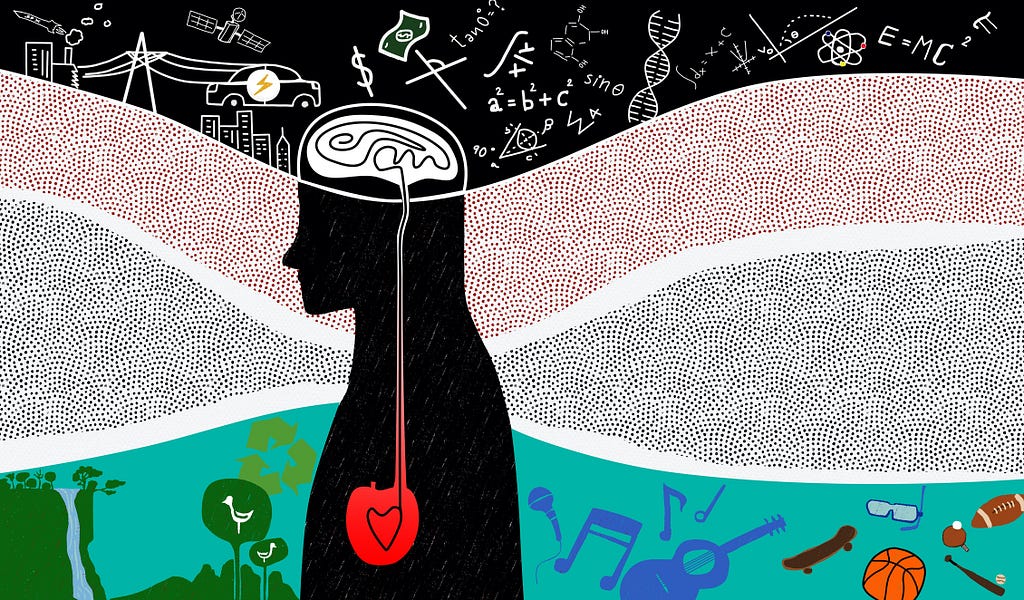
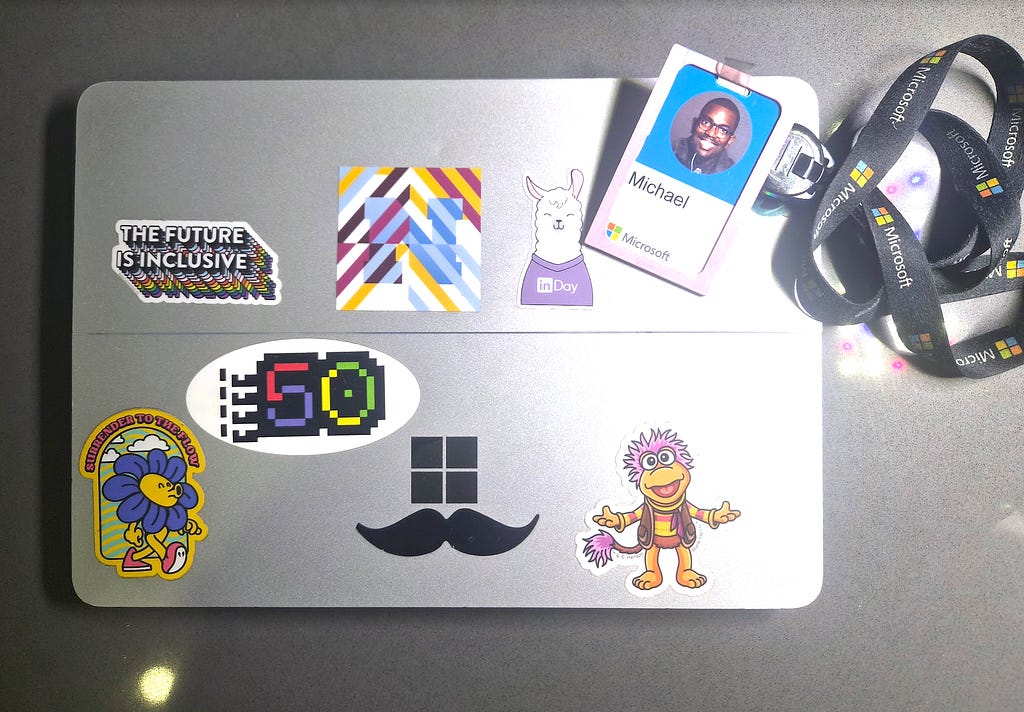
The Most Valuable Thing Microsoft Taught Me Had Nothing to Do with Technology

After nearly seven years at Microsoft, the most transformative lesson wasn't technical, it was human. The hardest design problems were rarely design problems: they were people problems, solved through shared understanding and real empathy across every team in the room.

Read the full story →
Medium · 2025
What my MIT AI focused certification taught me
A reflection on learning, unlearning, and what it means to design responsibly in the age of artificial intelligence.
Read →
Medium · 2025
Designing for Emotion in the Age of AI
What does it mean to design AI-powered experiences that resonate, not just function? A strategic case for putting emotion at the center of AI product design from day one.
Read →
Medium · 2025
The Creative Burnout Epidemic: Why Designers Are Exhausted
When systems are optimized for output over people, something breaks. What design leaders need to see and do differently before it costs them their best practitioners.
Read →
Medium · 2026
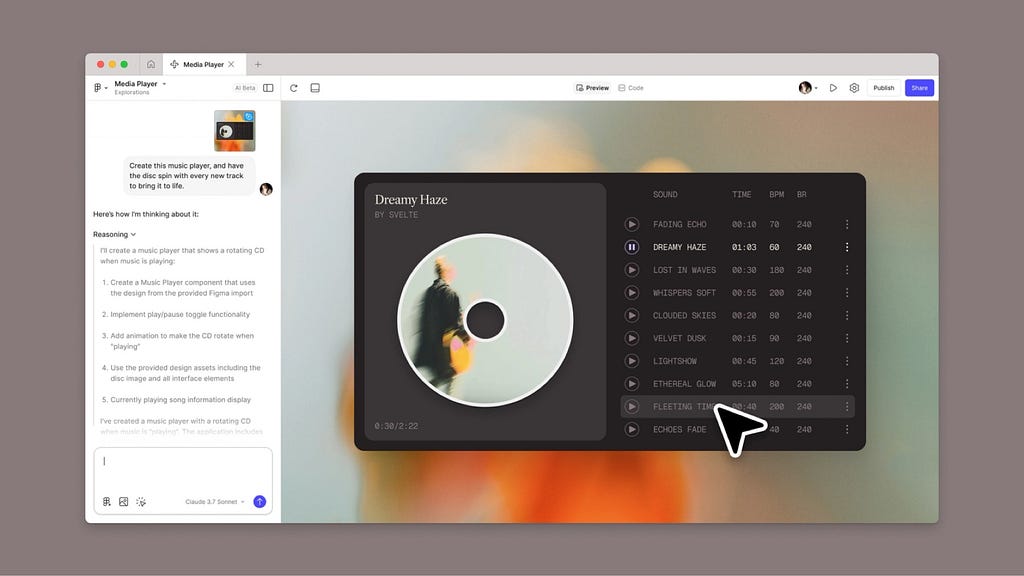
Pressure Testing Figma Make: What Designers Learn When We Slow Down
What happens when you actually use an AI design tool under real conditions, not a demo? Lessons from slowing down to pay attention to what the tool reveals about the designer.
Read →
Medium · 2025
What If We Stopped Calling Iteration Innovation?
Speed culture has blurred the line between refinement and reinvention. A case for slowing down to understand the difference — and why it matters for what we build next.
Read →
Medium · 2025
The Customer Journey Isn't a Funnel — It's a Story
Funnels optimize for conversion. Stories create meaning. Why the way we map customer journeys shapes everything about the experiences we design and the relationships we build.
Read →
Medium · 2025
Empathy Might Be the Magic You've Been Missing
Beneath the urge to be right is the practice of truly listening. How genuine understanding — not agreement — becomes the most transformative tool a practitioner can carry.
Read →
Medium · 2025
Designers, We Weren't Hired Just to Push Pixels
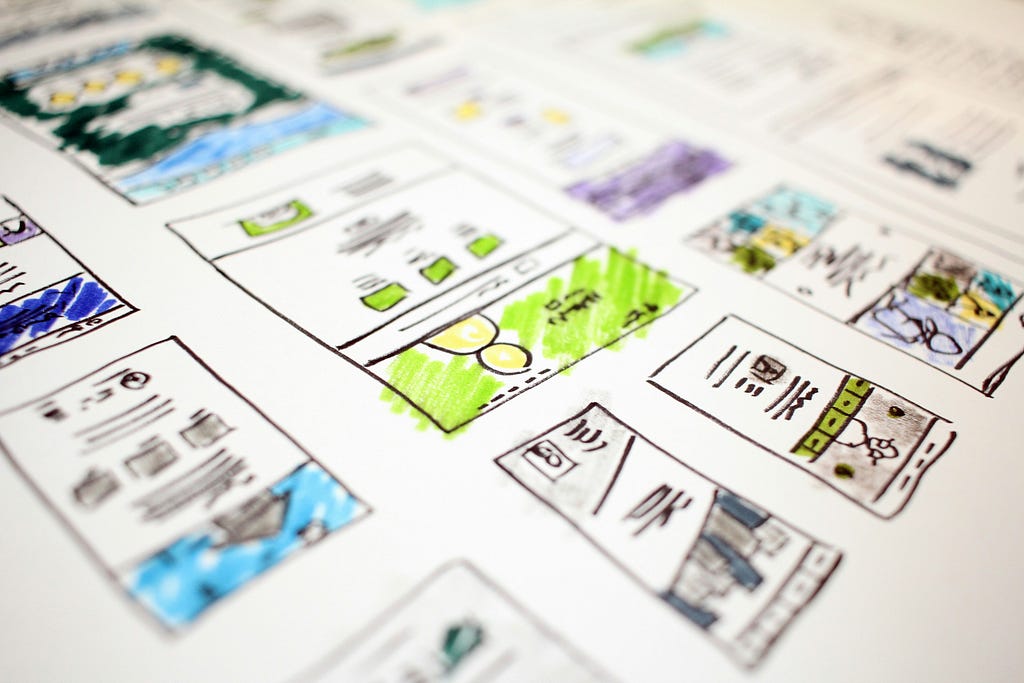
Somewhere along the way, UX got boxed into atomic components and app flows. A reminder of why designers were brought in the first place — and the broader problems only we can solve.
Read →
Medium · 2025
The Great Lock In of 2025: What If We Locked Into Empathy, Too?
Every fall brings a surge of focus and commitment. What if this year, alongside our goals and habits, we locked in on the practice of genuine human connection?
Read →
Medium · 2025
The Details We Miss Are Often Where the Truth Lives
The signals people send most clearly are often the ones they can't say out loud. Why slowing down to notice the subtle — not just the obvious — is where meaningful empathy begins.
Read →